
Directed and written by: Kaouther Ben Hania
Starring: Motaz Malhees, Saja Kilani, Clara Khoury, and Amer Hlehel
Runtime: 89 minutes
‘The Voice of Hind Rajab’: Ben Hania’s agonizing Oscar-nominated docudrama clearly and painfully speaks
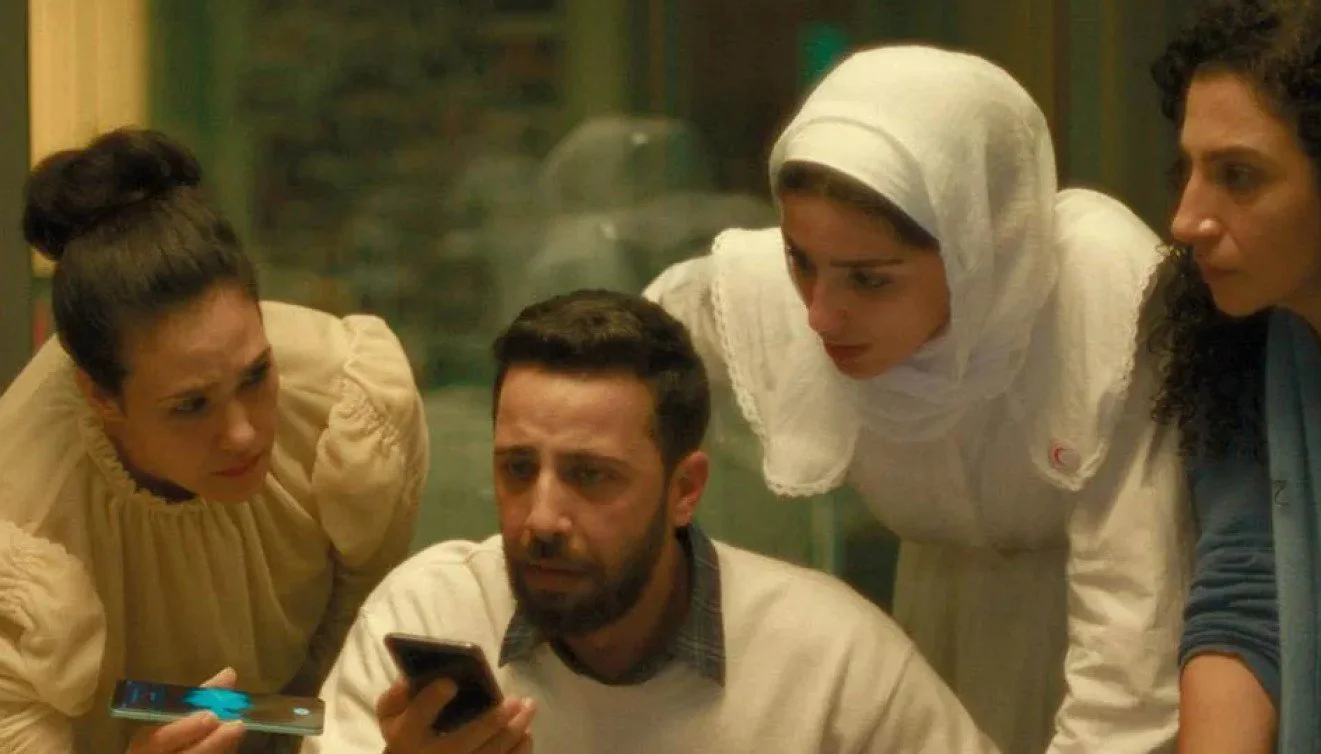
Four Palestine Red Crescent Society workers met Hind Rajab in 2024, but only by telephone and under the most dire of circumstances.
“I’m on my own,” Hind says.
The Red Crescent is a humanitarian organization that “works to protect and assist those affected by conflict, providing medical services, supporting detainees, and reuniting families separated by conflict.”
On a January 2024 day, Red Crescent members Omar (Motaz Malhees), Rana (Saja Kilani), Nisreen (Clara Khoury), and Mahdi (Amer Hlehel) cope during several phone calls with Hind, in which she sits in an idle car but in the middle of an active Gaza war zone.
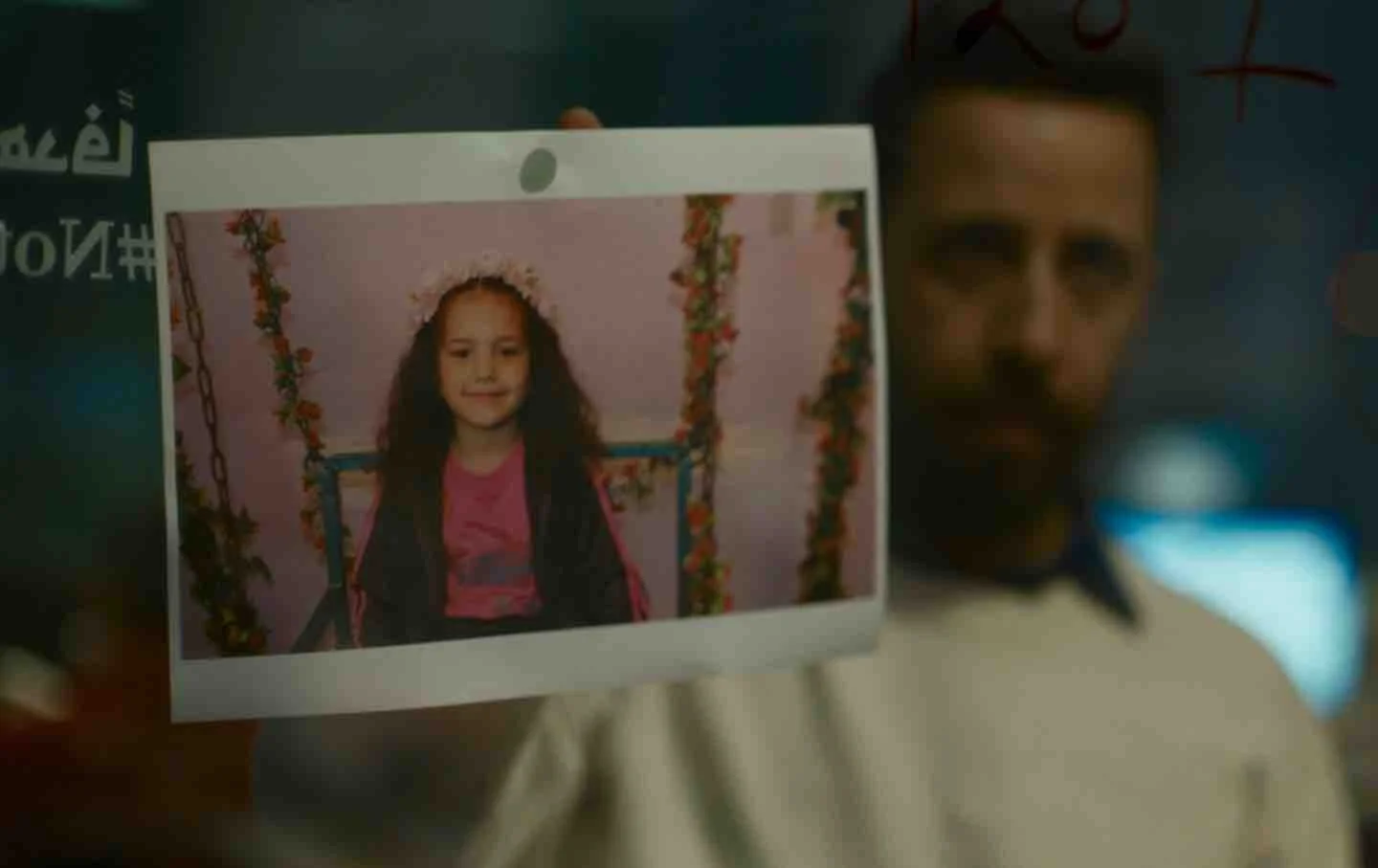
Hind, a 6-year-old Palestinian girl, pleads with (primarily) Omar and Rana for a rescue, but the firefight at that moment proves to be too hazardous for an ambulance to drive a few minutes to her, pluck her from the said automobile, and whisk her to safety.
While this child begs for a lifeline, the Red Crescent office is turned upside down with grief and powerlessness in director/writer Kaouther Ben Hania’s disconcerting drama “The Voice of Hind Rajab”, which is based on a true story.
(Note, there are conflicting messages online about whether Hind is 5 years old or 6 years old during this crisis.)
Ben Hania knew Hind’s tale from social media and the news and felt compelled to make this film.
In a January 2026 Associated Press interview, Ben Hania says, “The movie is about this feeling of helplessness. It explores helplessness.” She adds, “To explore it, I needed to do a movie about it, so I can go beyond it.”
“The Voice of Hind Rajab”, nominated for a Best International Feature Film Oscar, is a docudrama that recreates the said calls, and Ben Hania includes snippets of the actual phone calls on the big screen. Almost the entire 89-minute runtime is a confined race against time, and the circumstances are beyond Omar, Rana, Nisreen, and Mahdi’s control.
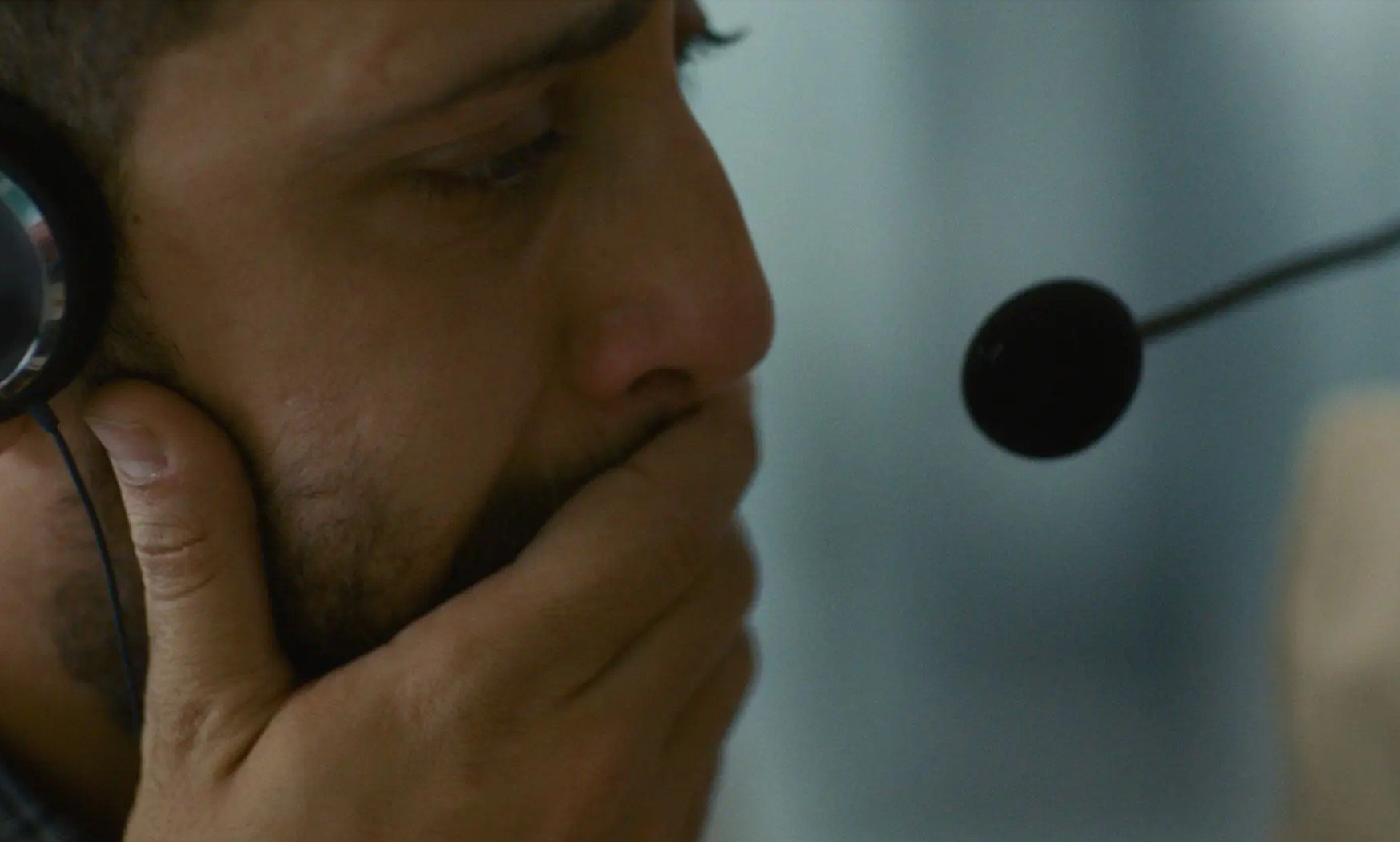
Ben Hania’s decision to keep the camera inside the humanitarian organization’s office for the vast majority of the movie pulls the audience from their theatre seats and places them in the shoes of the small on-site Red Crescent staff. The staff members cannot physically see Hind, and neither can we. Ben Hania and cinematographer Juan Sarmiento G.’s camera floats seemingly inches from the actors’ faces as their on-screen characters listen to Hind and attempt to bestow hope and encourage her to keep her spirits up while she agonizes.
Unfortunately, the staff also completely recognizes that tangible aid for this child is painfully unavailable.
First, Omar experiences exchanges with Hind’s cousin and then Hind. Once he realizes that the compromised city blocks are filled with danger, which in turn prevents the ambulance(s) from having clearance to find her straight away, Omar funnels his desperation and anger toward Mahdi, his office coworker, who is seen as a roadblock to save Hind.
The explosive moments between Omar’s irresistible force and Mahdi as an immovable object twist the mounting tension. Omar’s frustration with Mahdi’s failure to endorse and secure a go, or a “green light”, for an actual rescue attempt will spill over to moviegoers as well. However, Mahdi faces an impossible choice between his obvious desire to save Hind and his simultaneous determination to keep the ambulance drivers safe.
Ben Hania and Hlehel share a well-placed, convincing gesture that pours infinite volumes of empathy for Mahdi and his quagmire of no easy answers.
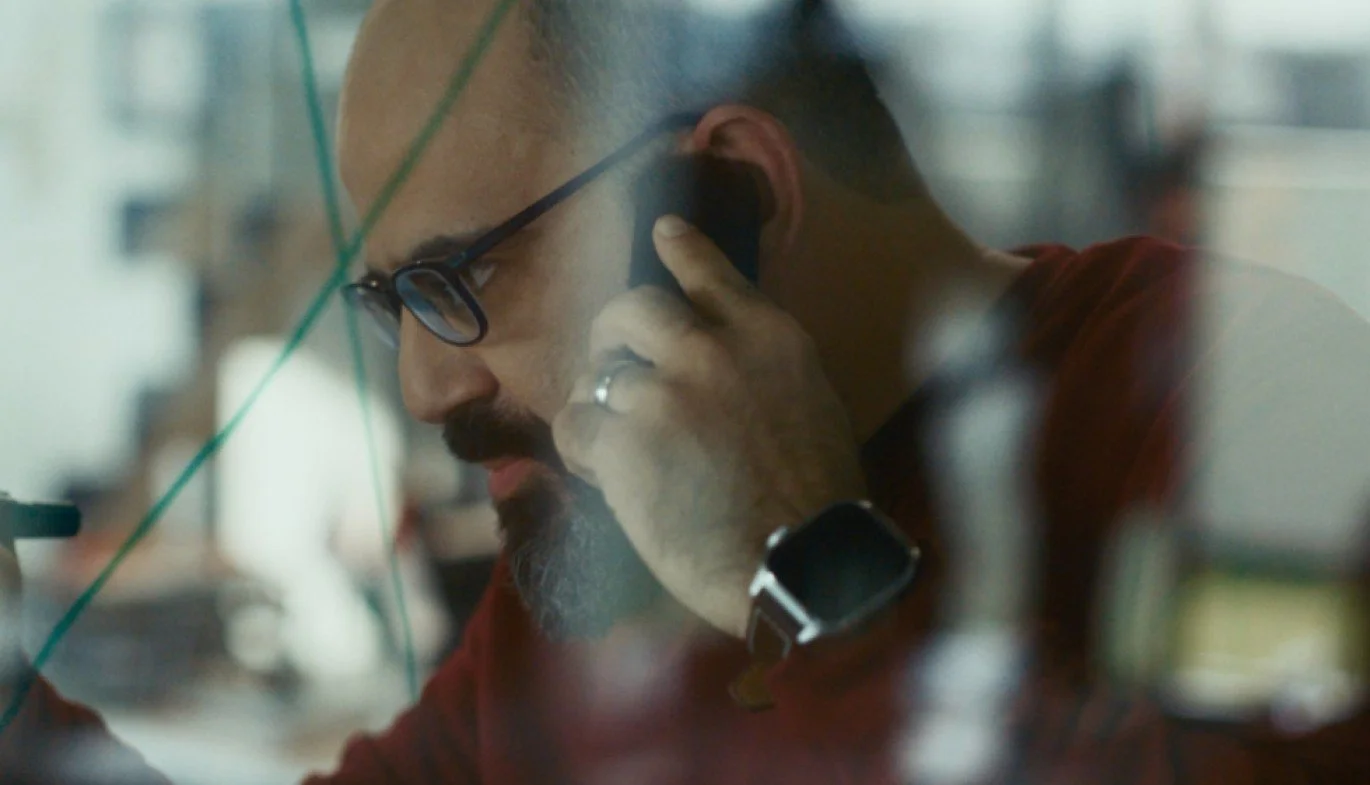
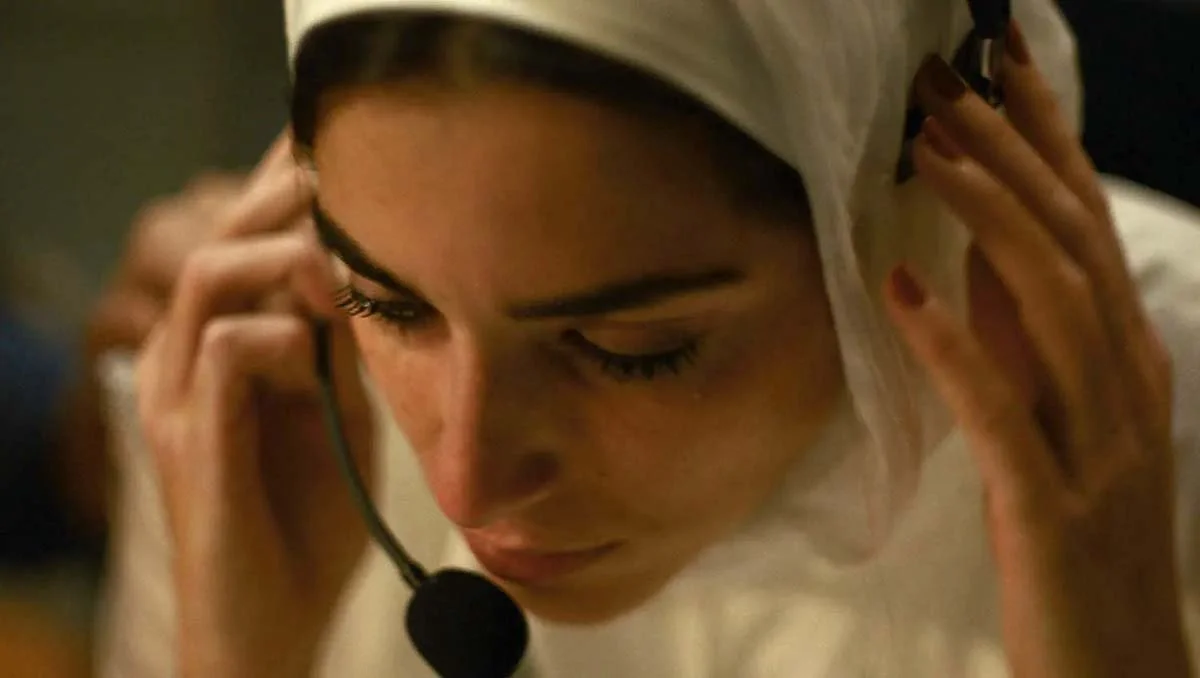
Rana spends ample minutes conversing with Hind as well, and she extends a more soothing tone with this desperate youngster, but also falls into an emotional peril of tears as the minutes and hours painfully tick onward, while unknown and unseen Israeli soldiers may or may not be nearby.
The claustrophobic pressure in the office and Hind’s despairing, innocent voice resonate deeply like a parent wishing to protect a frightened child or a nurse caring for an ailing patient, but with no tangible solutions to soothe one’s nerves or administer an antibiotic, respectively.
Granted, “The Voice of Hind Rajab” commits to one side of the Israeli-Palestinian conflict. Still, we also know there is no shortage of other gut-wrenching stories originating from the other side’s point of view. In this movie, the audience hopes that this little girl doesn’t become an innocent casualty of a complicated conflict.
Jeff’s ranking
3.5/4 stars