
Directed by: Joe Wein
Starring: Steven Callahan
Runtime: 105 minutes
‘76 Days Adrift’: Take this cinematic voyage as Steven Callahan retells his remarkable survival story

“There’s no way that I’m getting out of this alive.” – Steven Callahan
On February 4, 1982, Steven Callahan’s life-compass took a disastrous, figurative turn south.
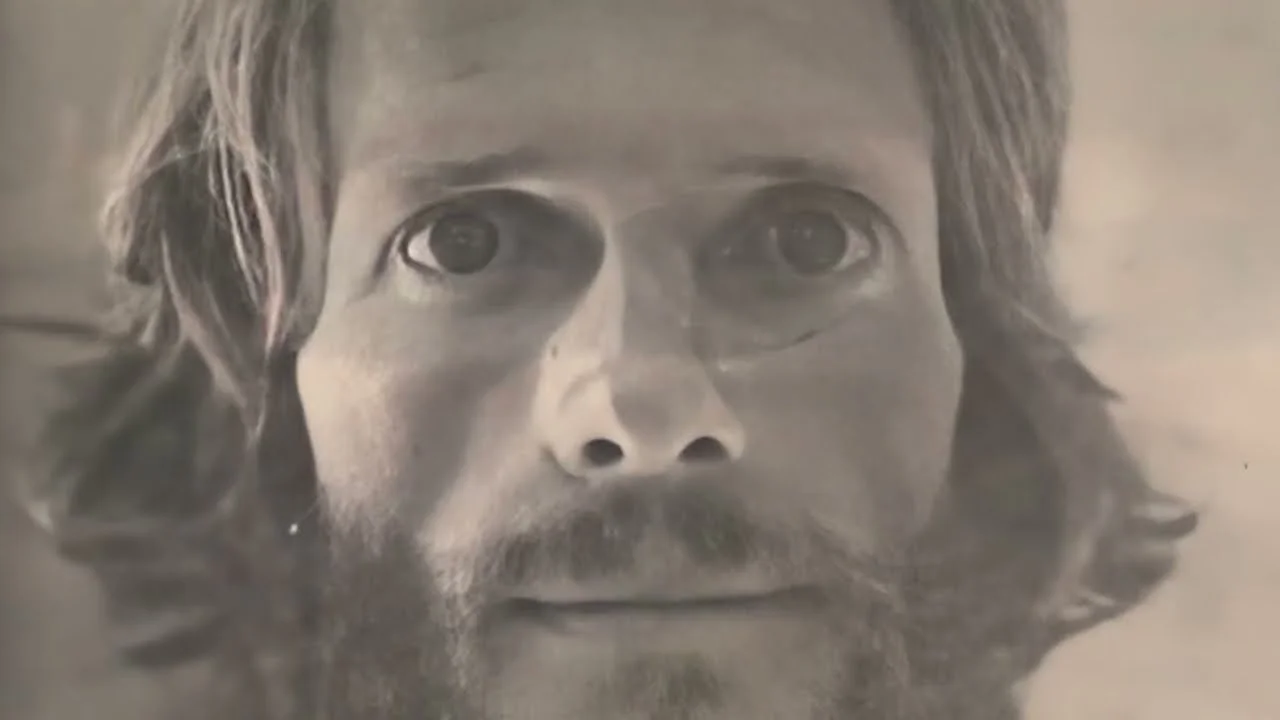
While sailing across the Atlantic Ocean back to North America – on a return from his round-trip nautical expedition (after stopping in Penzance, England and the Canary Islands) – something hit his sailboat, Napoleon Solo, about 800 miles west of the said islands.
This 29-year-old sailor undeniably knew at that moment, in order to survive, he would need to think outside the box – and outside the boat – as his 21-foot watercraft, “a combination of vehicle and dwelling and art,” sank in the middle of the Atlantic, and – spoiler alert – he did live through this disastrous happenstance.
Back in the 1980s, Mr. Callahan became a celebrity. Johnny Carson, Oprah Winfrey, Bryant Gumbel, and other media types were astonished by his story. Steven wrote a 1986 memoir called “Adrift: Seventy-six Days Lost at Sea”, about his time drifting on an inflatable life raft.
The aforementioned raft, stowed on his boat in case of an emergency, may have been built for six people, but it wasn’t wide enough for him to entirely lie down. Luckily, he did have enough room for a bag of emergency gear, other supplies (like a spear gun, survival charts, a sleeping bag, a leather knife, a first aid kit, solar stills, flare guns, and more), and some rations of food, like half a head of cabbage, 10 ounces of peanuts, corn beef, raisins, and six pints of water.
In director Joe Wein’s documentary, “76 Days Adrift”, Steve rattles off a list of other necessities and a few more provisions, but, clearly, the man doesn’t possess two-and-a-half months of belongings in this dire state of shipwrecked affairs. Worse yet, the orange raft is only supposed to last about 30 days at sea.

How in the name of Noah’s Ark and Chuck Nolan (Tom Hanks’ character from “Cast Away” (2000)) did Steve survive for 76 days?
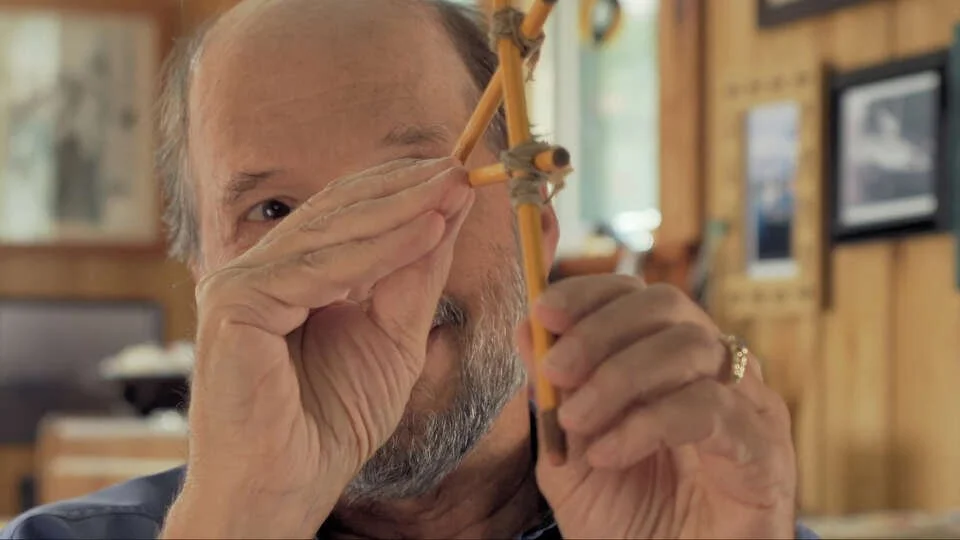
Well, he recounts his fascinating real-life, life-and-death account over the film’s 105-minute runtime.
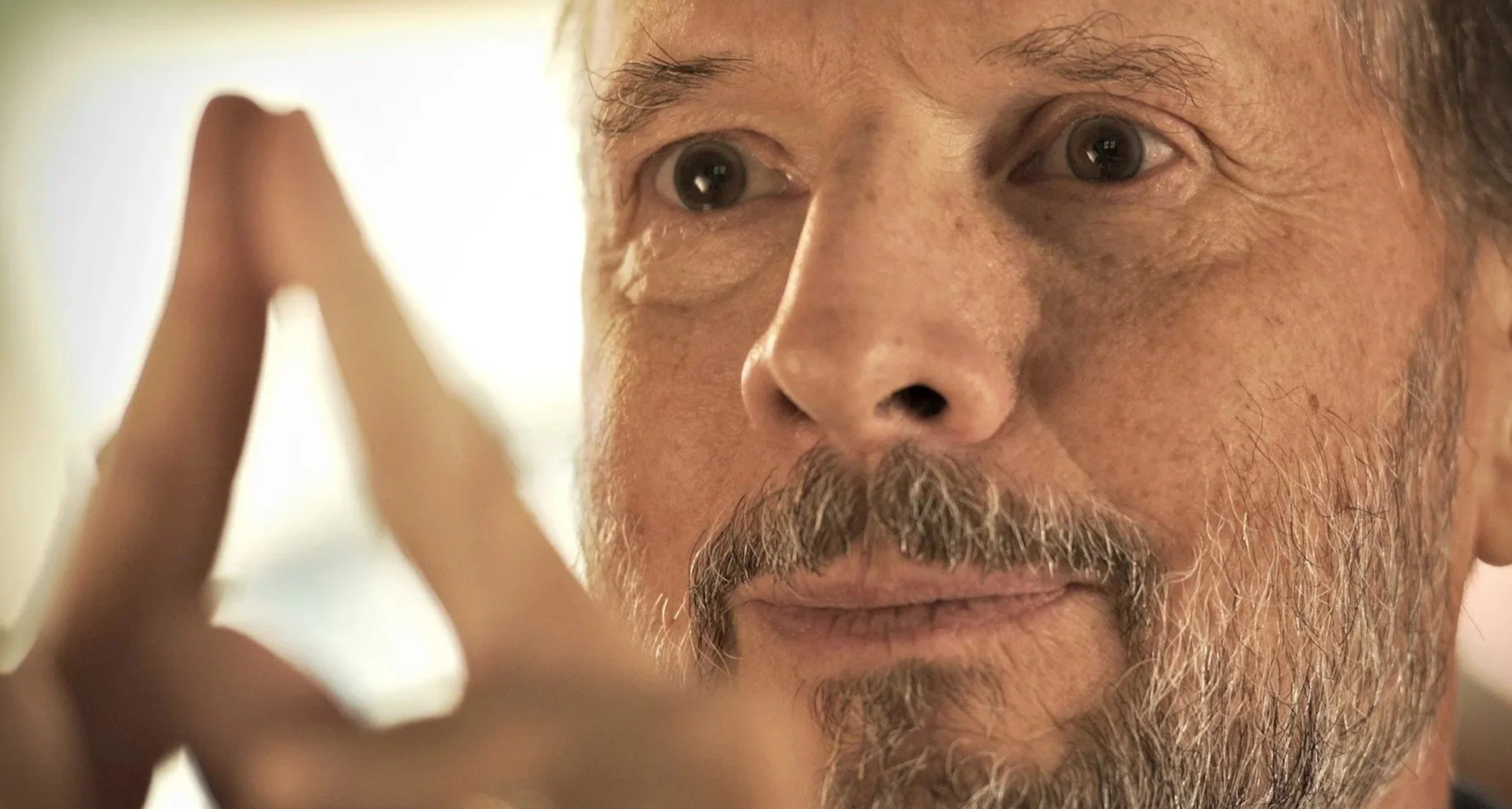
Rather than draw upon a collection of sailing or survival experts to bring perspective to Steve’s miraculous 1,824-hour tour, Wein strips the narrative down to the very basics. He places his camera – in a straight-angle shot - just a few feet from Steve, so the frame captures only his face and shoulders.
Straight away, Mr. Callahan plunges into his backstory, including his recent divorce, before his 1981 voyage from the U.S. to Bermuda, then to England, and the infamous trip home into a frightening abyss.
Wein and Callahan apply a Joe “just the facts, ma’am” Friday approach, where the most capable person to expound on this chronicle narrates the entire film. The camerawork and Steve’s constant and faithful narration take a similar approach as Noah Baumbach’s documentary “De Palma” (2015). In that doc, the legendary film director Brian De Palma simply speaks to his brilliant cinematic work in chronological order of release, sitting right in front of Baumbach’s camera. For 110 minutes, audiences watch and listen to the thriller master along with cutaways to clips from “Dressed to Kill” (1980), “Body Double” (1984), “Carlito’s Way” (1993), and more.
Steven, 74 (but a few years younger during the “76 Days Adrift” filming), sports a trim brown-and-gray beard and has an everyman, accessible way about him.
He’s always (seems to be) smiling throughout his commentary, probably grateful to be alive, 40-plus years after the treacherous voyage.
Steven Callahan is a natural storyteller, and he speaks with a delightful, charming combination of a pragmatic scientist or tenured professor and a gregarious, accessible relative. The man clearly clarifies and defines the immediate dangers, but also his internal calculations and ingenuity to endure this predicament, while also frankly stating his feelings and moods during periods of fleeting hopes and occasional triumphs.
“I knew I was making mistakes.”
“My mind is kind of in a fog.”
“I have options here.”
“I’m thirsty all the time.”
He explains the resourceful, patient methods of collecting a few mouthfuls of H2O after hours and hours of meticulous work. Steve finds creative ways to fish, and frequently mentions a school of dorado, who – through the miraculous world of nature – become his long-standing buddies during his journey.
Wein includes some friendly filmmaking tools in recounting Steve’s saga. The doc often cuts away to valuable recreations of Steve’s perilous time at sea. The director and film crew fill the big screen with Steve’s 1982 perspective from inside the orange raft and the wide-open ocean, and Wein actually acts as a stunt double for Steve. We don’t see Joe’s face, but we often see his legs in the raft, as well as his arms while he works with the needed tools in the hope of catching fish, gathering water, capturing the attention of a ship, and repairing his raft due to the natural wear and tear on the modest rubberized lifeline.
Wein also turns to pencil drawings to depict the physical representations of Steve’s deteriorating health, weight, and appearance when a few gulps of water and some slight morsels of fish are the most savory victories during a lengthy day of isolation.
Speaking of days, Wein ensures to tether the audience to the timeline throughout the doc by flashing “Day 1”, “Day 15”, “Day 30”, etc. on screen, as we wonder by “Day 44,” “How in the world does Steve survive for 32 more days?”
Well, “76 Days Adrift” printed on your movie ticket stub reveals this documentary’s ending before walking into a theatre, but Steven’s compelling recounting of his unintended, harrowing, life-affirming voyage will surely resonate with you for more than 76 days. Maybe 76 months…or 76 years.
Jeff’s ranking
3/4 stars