
Directed by: Fernando Eimbcke
Written by: Fernando Eimbcke and Vanesa Garnica
Starring: Aivan Uttapa, Diego Olmedo, Andrea Suarez Paz, Rosa Armendariz, Melanie Frometa, and Gustavo Sanchez Parra
Runtime: 79 minutes
‘Olmo’ is an engaging, empathetic 1970s coming-of-age tale with timeless and rare teenage challenges
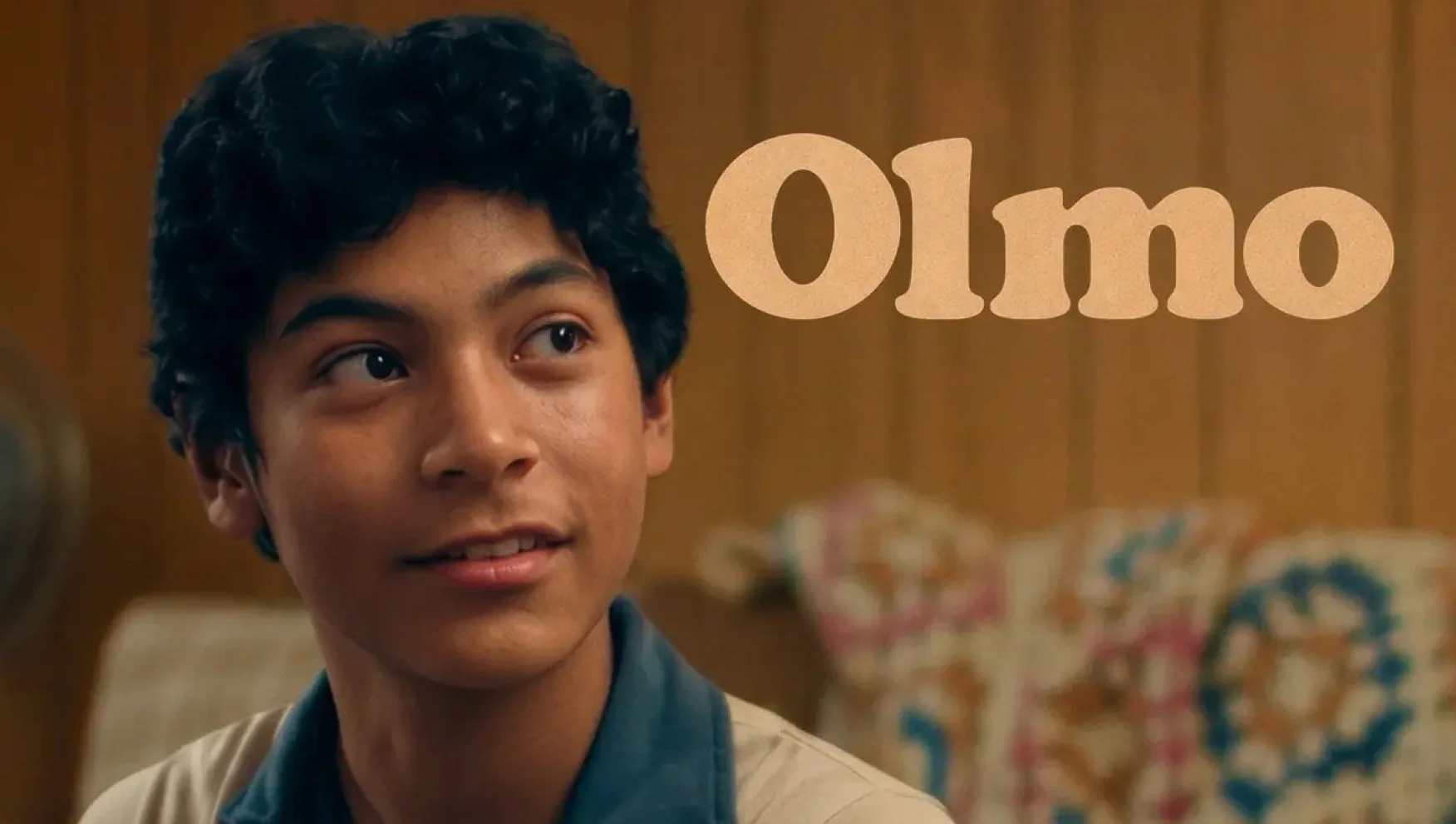
“Why change your shirt? Why even get dressed at all?” – Olmo (Aivan Uttapa) says to his father, Nestor (Gustavo Sanchez Parra)
Olmo is a struggling teenager. This 14-year-old isn’t old enough to drive or secure a job that would merit a proper income. He daydreams about Nina (Melanie Frometa), the girl across the street, but with zero dating experience, Olmo hasn’t mastered the art of boy-girl conversation to win her over.
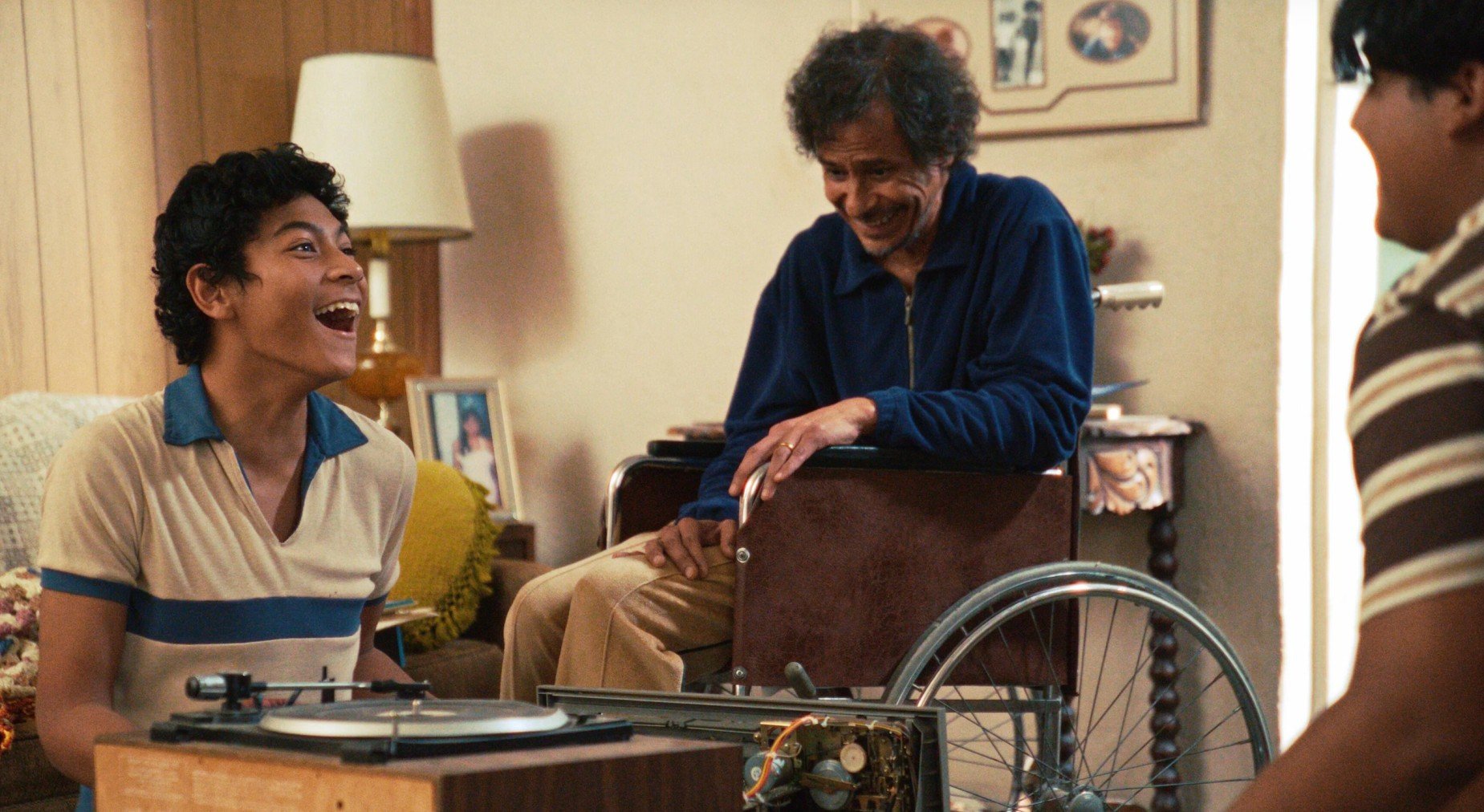
His family has money issues looming over their head, while Olmo’s dad is immobilized and cannot work. Olmo’s mom, Cecilia (Andrea Suarez Paz), and his older sister, Ana (Rosa Armendariz), manage Nestor’s care at home. Our teenage lead is asked to pitch in now and then, but suddenly, he’s asked to help now.
(Thankfully, Olmo can turn to his best friend, Miguel (Diego Olmedo), for solace, or as much as this fellow teen can muster.)
However, a ray of sunshine cuts through the malaise and beams down on our adolescent hero when Nina requires Olmo’s immediate assistance. How about that?
She needs a stereo to bring to a party and says to Olmo and Miguel, “So if there’s no stereo, there’s no party. Could you lend me your stereo?”

Finally, Olmo has found a way to potentially capture Nina’s heart through resourcefulness, while he and Miguel can party the night away! How will our hero make out…and will he make out with Nina?
This is the plot of director/co-writer Fernando Eimbcke’s “Olmo”, an engaging coming-of-age indie that’s set in southern New Mexico during the 1970s, a time when Gen X kids could not temporarily scroll their troubles away for a few minutes at a time on social media or search for solutions on Google or YouTube. During the 1970s, one was left to their own devices, imaginations, and nearby immediate means to solve problems and answer questions.
Teenage years are already difficult to navigate, and Eimbcke throws the added hurdle the size of the 8,900’ Organ Needle in front of Olmo: his dad’s medical problems.
Not at the very, very beginning, but extremely early into the first act, Eimbcke (“Duck Season” (2004), “Lake Tahoe” (2008), “Club Sandwich” (2013)) launches the audience into the aforementioned (nearly) 9,000’ difficulty, where dreams of bliss are trodden with reality.

This introduction earns empathy for Olmo, Nina, and Cecilia, but for Nestor most of all. Parra lives and breathes Nestor’s despair and frustration of his bedridden condition. He’s a man who can no longer support his family, and every molecule of his thin frame and despondent gaze exclaims hopelessness. Parra’s Nestor floods the screen with this gloomy tone, and it’s up to the other three kin to lift the home’s spirits and raise economic sustenance.
Since Olmo is in line within this domestic patriarchy, he feels the weight on his narrow adolescent shoulders.
So, a party nirvana with Nina is the godsend he didn’t even know was a possibility until she asked Miguel and him that momentous question.
Of course, our hero faces shirking his responsibility, breaking a rule or two, and figuratively tripping over his lack-of-life-experience blind spots to reach the promised festivities, as writers Eimbcke and Vanesa Garnica scribe moral tests for Olmo and Miguel to confront during the second and third acts.
“Olmo” has a “Superbad” (2007)-like premise with a quirky, small-town “Napoleon Dynamite” (2004) production design and on-location vibe. Eimbcke’s movie doesn’t reach the comedic heights and associated performances of those previously mentioned 21st-century classics and iconic casts.
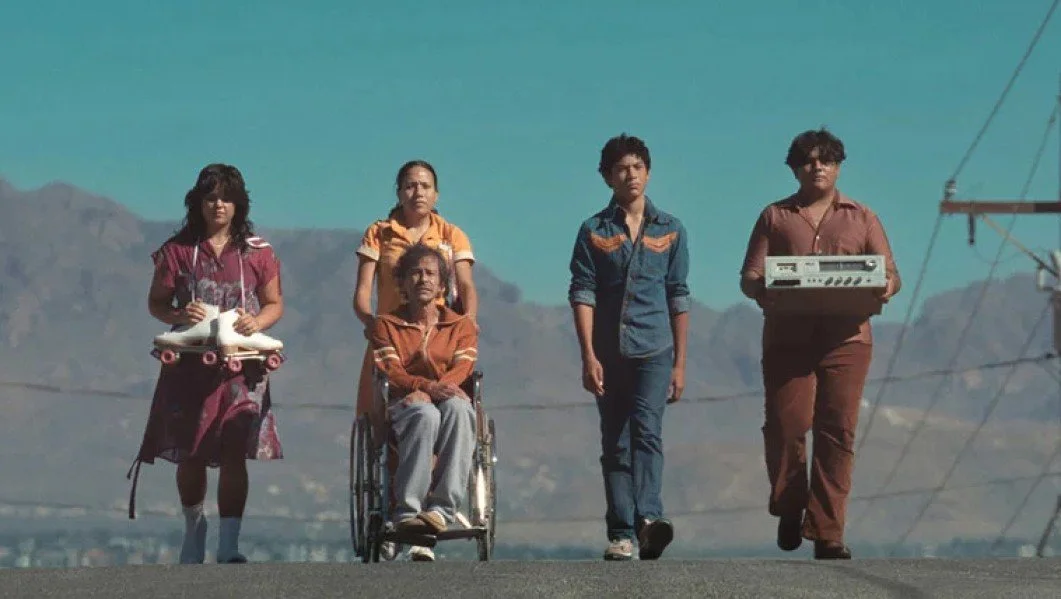
It’s a dramedy with plenty more drama than comedy, but “Olmo” hooks you straight away with its premise and establishes an irresistible will to follow the title character on his hopeful and faulty journey while also wishing happy endings for his three family members too.
Eimbcke doesn’t (seem to) ask Uttapa and Olmedo to do too much other than embrace the characters and follow their on-screen alter egos on this winding path, which is all the two young actors need to grant audience buy-in. The most memorable performances are a pair of supporting ones. Armendariz demands a non-negotiable emotional distance with everyone within Ana’s sight, and Parra heroically hoists Nestor’s burden that resonates like a magical spell both on-screen and off-screen.
Although “Olmo” doesn’t rely on magic. With a family facing so much reality, the film’s authenticity, a catchy soundtrack, and flashes of hope can reward those who get dressed, change their shirt, and seek out Olmo journey and his timeless and rare teenage challenges.
Jeff’s ranking
2.5 / 4 stars