
Directed and written by: Cherien Dabis
Starring: Cherien Dabis, Saleh Bakri, Mohammed Bakri, Adam Bakri, Muhammed Abed Elrahman, and Sanad Alkabareti
Runtime: 145 minutes
‘All That’s Left of You’ effectively dives deeply into one household’s struggle with the Israeli-Palestinian conflict
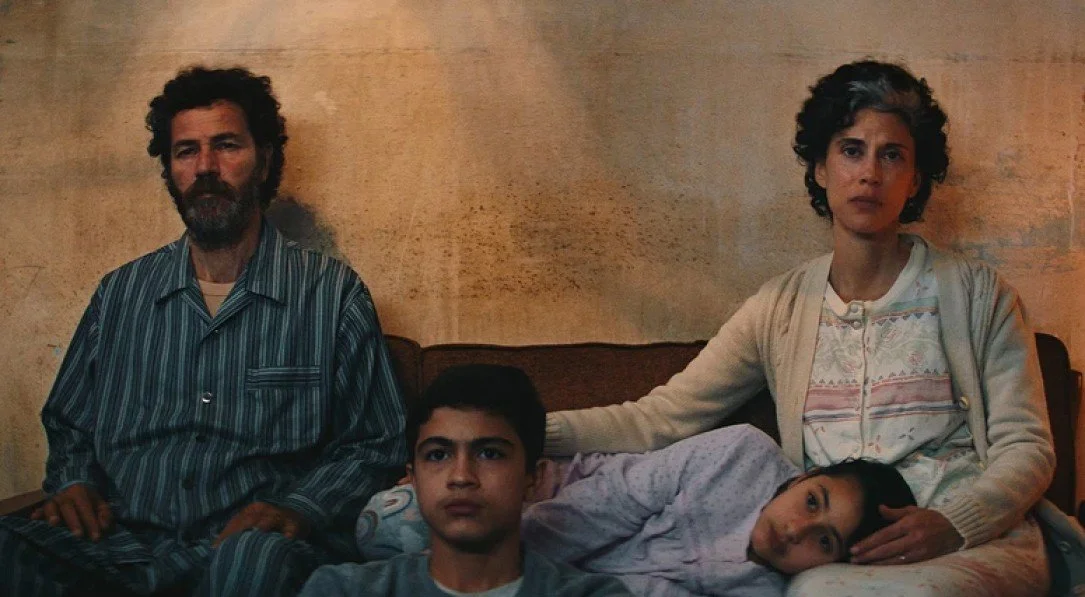
“I am here to tell you how it started.” – Hanan (Cherien Dabis)
Director/writer/actress Cherien Dabis’ “All That’s Left of You” is a family story told over three generations. Chronologically, the film begins in 1948, and Dabis includes two critical events that drive the primary plot and give meaning to the movie’s title.
These two moments form a distressing arc that eventually leads to an emotional conclusion.
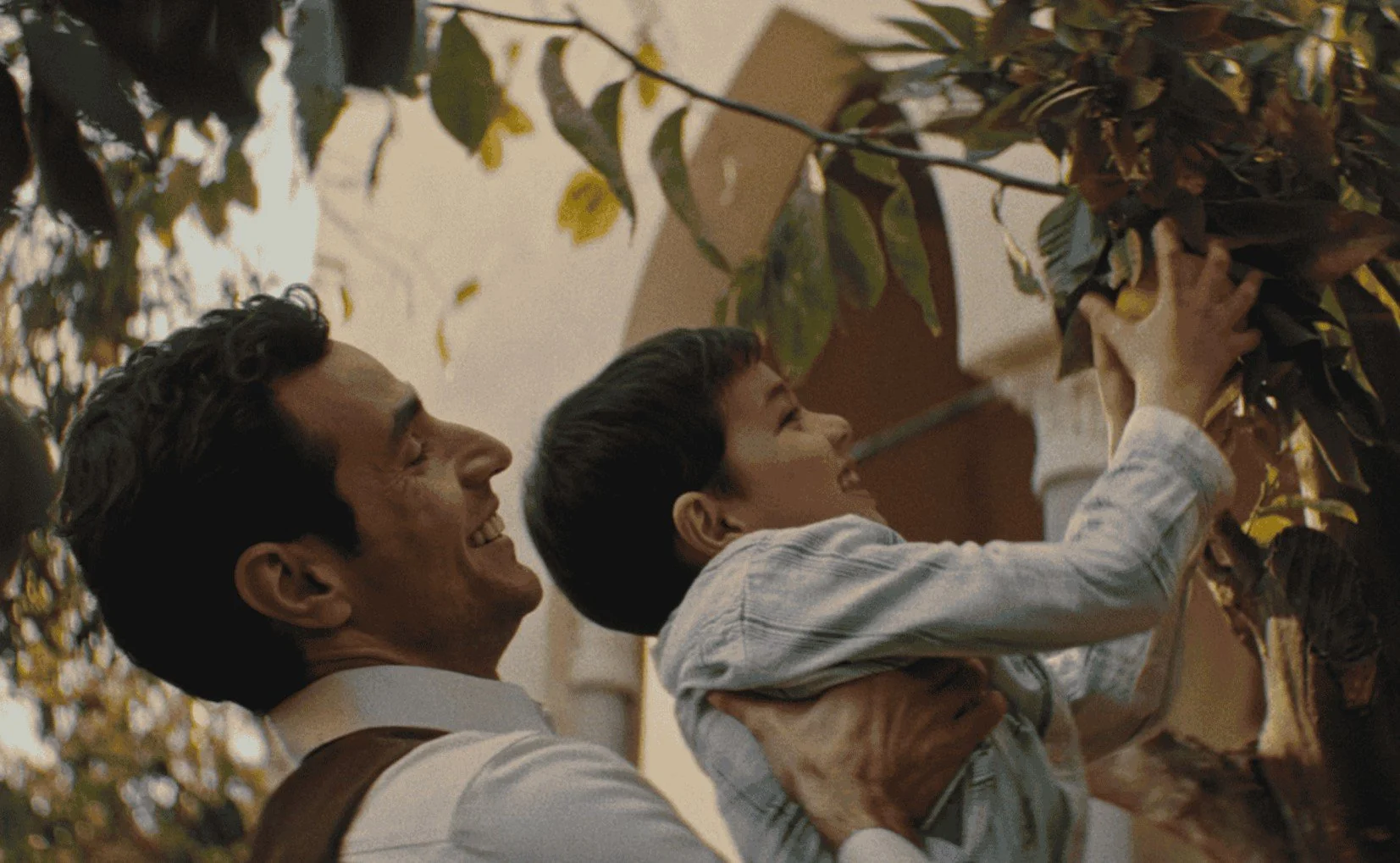
Her film speaks to a specific tale of the Palestinian experience in Jaffa during Israel’s formation and the subsequent ongoing conflict, where Sharif (Adam Bakri) and his family were forced leave their estate and lush orange grove.
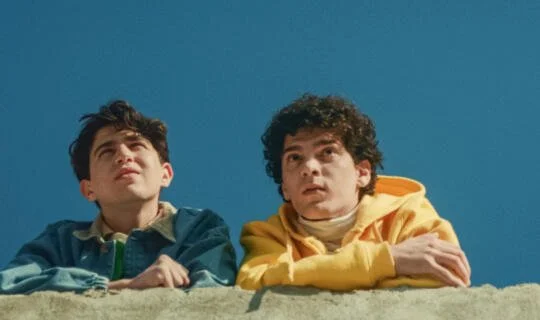
The narrative jumps time periods (and eventually lands in the present day), as we see Sharif’s son, Salim (Saleh Bakri), raise his own family in the West Bank with his wife, Hanan, and their children, including Noor (played by Sanad Alkabareti and Muhammad Abed Elrahman, as an elementary school child and teenager, respectively).
It’s a fictional narrative but inspired by her own family dynamics.
Dabis says in a December 2025 Associated Press interview, “It was actually really beautiful to explore the things that I hadn’t spent that much time thinking about. What inspired me to make the film was really my relationship with my dad and watching the different generations of my own family from my grandfather to my father to me, and how our identities formed in opposition to each other.”
Speaking of family, there is a real-life kinship of actors in “All That’s Left of You”. Saleh and Adam Bakri are brothers, and their real-life dad is Mohammad Bakri, who plays an older Sharif, living with Salim and Hanan while they raise their children.
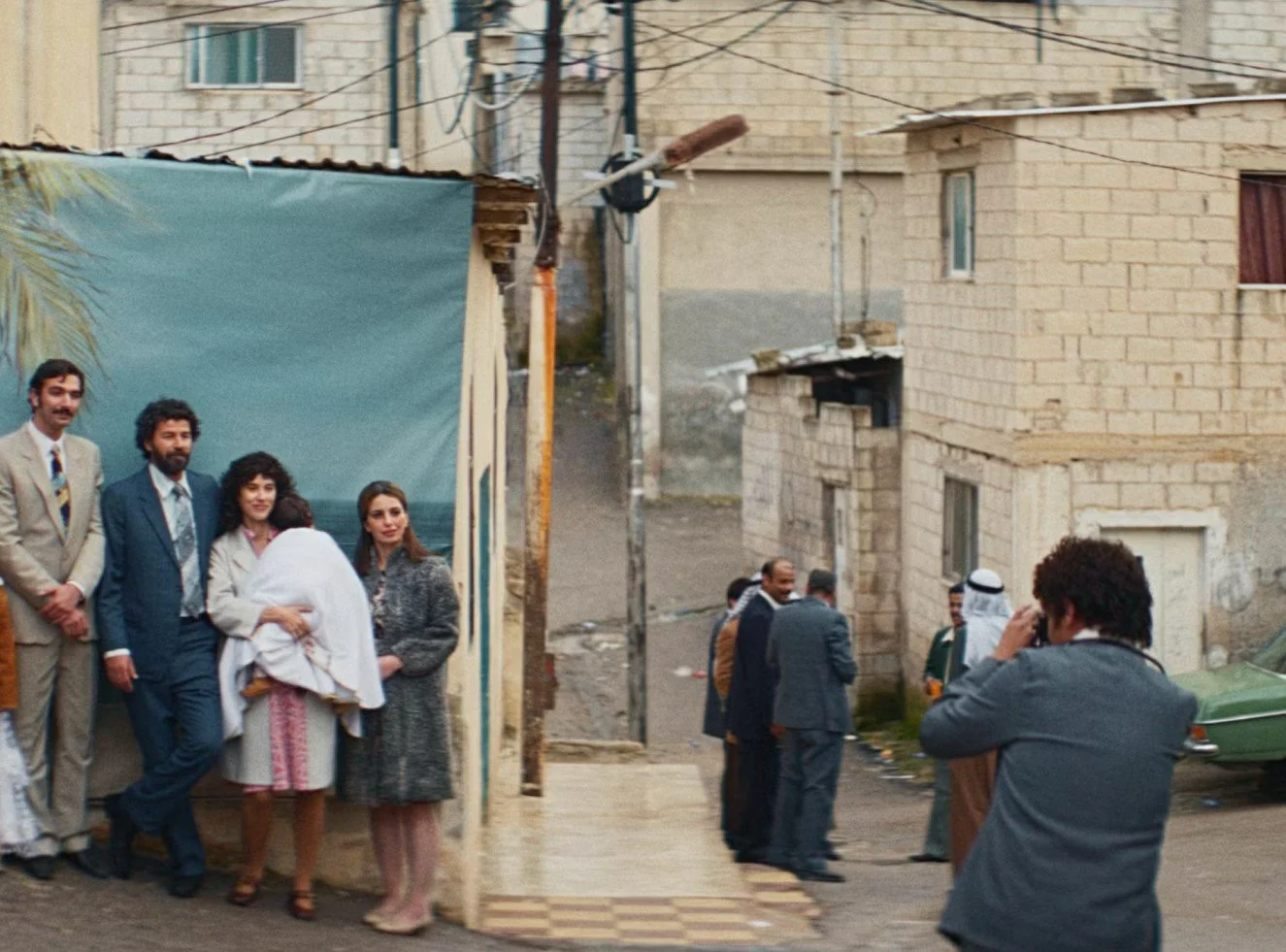
In 1948, Sharif and his family’s displacement is met with disbelief. He, his family, and friends are shellshocked. These movements do not show overwhelming violence on-screen. Some is on display, but opposing military forces stand with intimidating strength and form unfortunate, subsequent refugee camps.
The tone changes during the late 1970s, as bewilderment transforms into resignation in the West Bank.
Generally speaking, the Palestinian community seems to manage peacefully, as Hanan raises their kids while Salim, an effective, affable teacher, enjoys educating young people. However, threats of a confrontation with Israeli forces still exist, and when one such incident transpires, the dynamic between the generations – in this household - changes forever.
Dabis – born and raised in the U.S. and of Palestinian and Jordanian descent – takes a stance in her film from the Palestinian experience, but she also pays deference to the Israeli perspective through a pair of crucial scenes during the third act.
In any part of the world, no matter where war exists, warfare can ever-so-easily shatter a peaceful existence across a country, community, or neighborhood. Rather than extensively explore historical details of the Israeli-Palestinian conflict, “All That’s Left of You” effectively tightens its focus on its impact - through deliberate blunt instruments and thorough nuance - on one household.
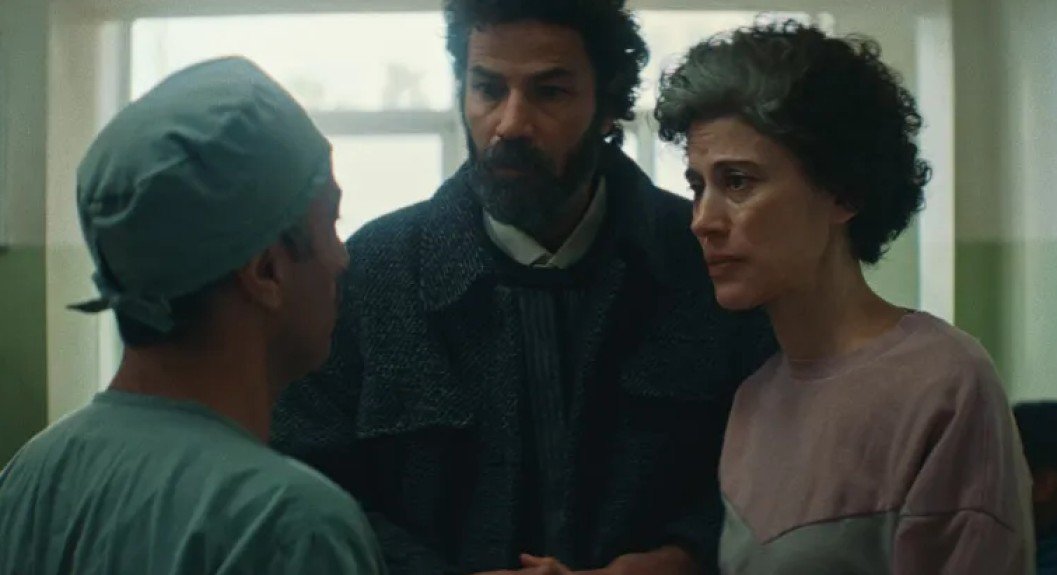
With a 145-minute runtime, Dabis spends sympathetic stretches about the cataclysmic physical and psychological costs of this conflict under one roof, and these scenes deeply resonate through the discreet, intimate interactions between Sharif, Salim, Hanan, and Noor and the accompanying poignant performances from Adam, Mohammad, Saleh, Cherien, Muhammad, and Sanad.
The struggle between Salim and the younger Noor is especially troubling to absorb, and credit Cherien's thoughtful screenplay and outstanding work from Saleh and child actor Sanad. Yes, Hanan tells the audience how “it” started, and when Dabis’ movie ends, moviegoers may feel numb…and reflective.
Jeff’s ranking
3.5/4 stars